
 Anheften
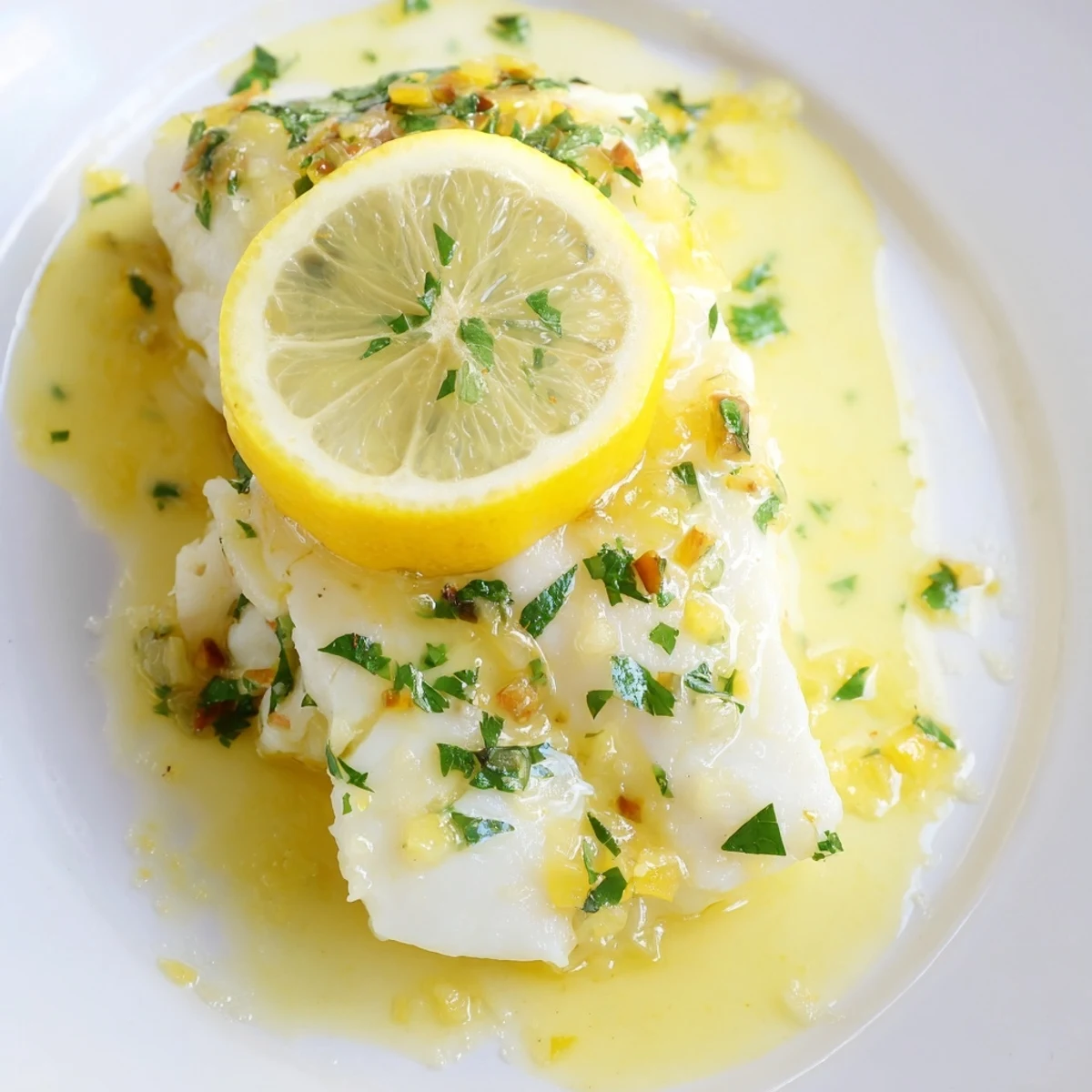
 Dieser zarte Halibut wird im Ofen schonend gebacken und mit einer geschmolzenen Zitronenbuttersauce verfeinert, die Knoblauch, frische Petersilie und Zitronenzesten kombiniert. Die Kombination sorgt für einen frischen, leichten Geschmack, der sich ideal für ein unkompliziertes Abendessen eignet. Die Zubereitung ist einfach und dauert insgesamt nur 30 Minuten. Mit einer Auswahl an Beilagen wie gedünstetem Gemüse oder Kartoffeln wird dieser Fischgang zum Genuss für die ganze Familie.
One Tuesday evening, I pulled a pristine halibut fillet from the market display and thought, "This deserves something simple." The fish was so fresh it seemed a shame to do anything elaborate, so I went home and created this straightforward baked halibut recipe that lets the delicate flesh speak for itself. What started as a quiet weeknight dinner became something I make whenever I want to feel like I've accomplished something genuinely delicious without breaking a sweat. There's something magical about how a squeeze of lemon and melted butter can transform ordinary white fish into restaurant-quality food.
I made this for my partner on a night when neither of us felt like dealing with complicated cooking, and I remember the kitchen smelling absolutely incredible within minutes of it going into the oven. When we sat down and took that first bite, the tender fish just fell apart on the fork, and the lemon butter pooled beneath it like liquid gold. That simple meal somehow felt more special than dishes that demanded hours of attention, and we've been making it regularly ever since.
Ingredients
- Halibut fillets (4 fillets, about 170 g each): Choose fillets of similar thickness so they cook evenly; thinner parts will overcook while thicker parts are still raw.
- Olive oil (1 tablespoon): A light coating that helps the fish brown slightly and prevents sticking to the baking dish.
- Salt and freshly ground black pepper: Essential for seasoning the fish before baking; freshly ground pepper tastes noticeably brighter than pre-ground.
- Unsalted butter (4 tablespoons, melted): Butter is where the richness comes from, so use good quality if you can; the flavor difference is real.
- Garlic cloves (2, minced): Mince these fine so they distribute evenly through the sauce and don't leave sharp bites.
- Fresh lemon juice (2 tablespoons): Bottled lemon juice tastes flat compared to the real thing; squeeze two fresh lemons if you have them.
- Lemon zest (1 teaspoon): This tiny bit of peel carries concentrated lemon flavor that juice alone can't provide.
- Fresh parsley (1 tablespoon, chopped): The bright green color and fresh taste keep this dish from feeling heavy despite the butter.
- Lemon slices (for garnish): These cook right alongside the fish and add both visual appeal and a touch of extra citrus.
Instructions
- Heat your oven and prepare:
- Set the oven to 200°C (400°F) and lightly grease a baking dish large enough to hold your fillets in a single layer without crowding. A crowded pan means uneven cooking, so don't skimp on dish size.
- Dry and season the halibut:
- Pat each fillet dry with paper towels because moisture is the enemy of browning. Brush both sides lightly with olive oil, then season generously with salt and pepper.
- Arrange in the baking dish:
- Lay the fillets skin side down in the prepared dish, spacing them so heat can circulate around each piece.
- Make the lemon butter sauce:
- In a small bowl, whisk together melted butter, minced garlic, fresh lemon juice, lemon zest, and chopped parsley until it looks like golden liquid gold. You can do this while the oven preheats.
- Pour sauce and garnish:
- Distribute the lemon butter sauce evenly over each fillet, then top each one with a thin lemon slice. The butter will pool around the fish as it bakes.
- Bake until just done:
- Bake for 15 to 20 minutes, checking around the 15-minute mark by looking at the center of the thickest fillet. It should look opaque and flake easily with a fork when you press gently with a fork.
- Finish and serve:
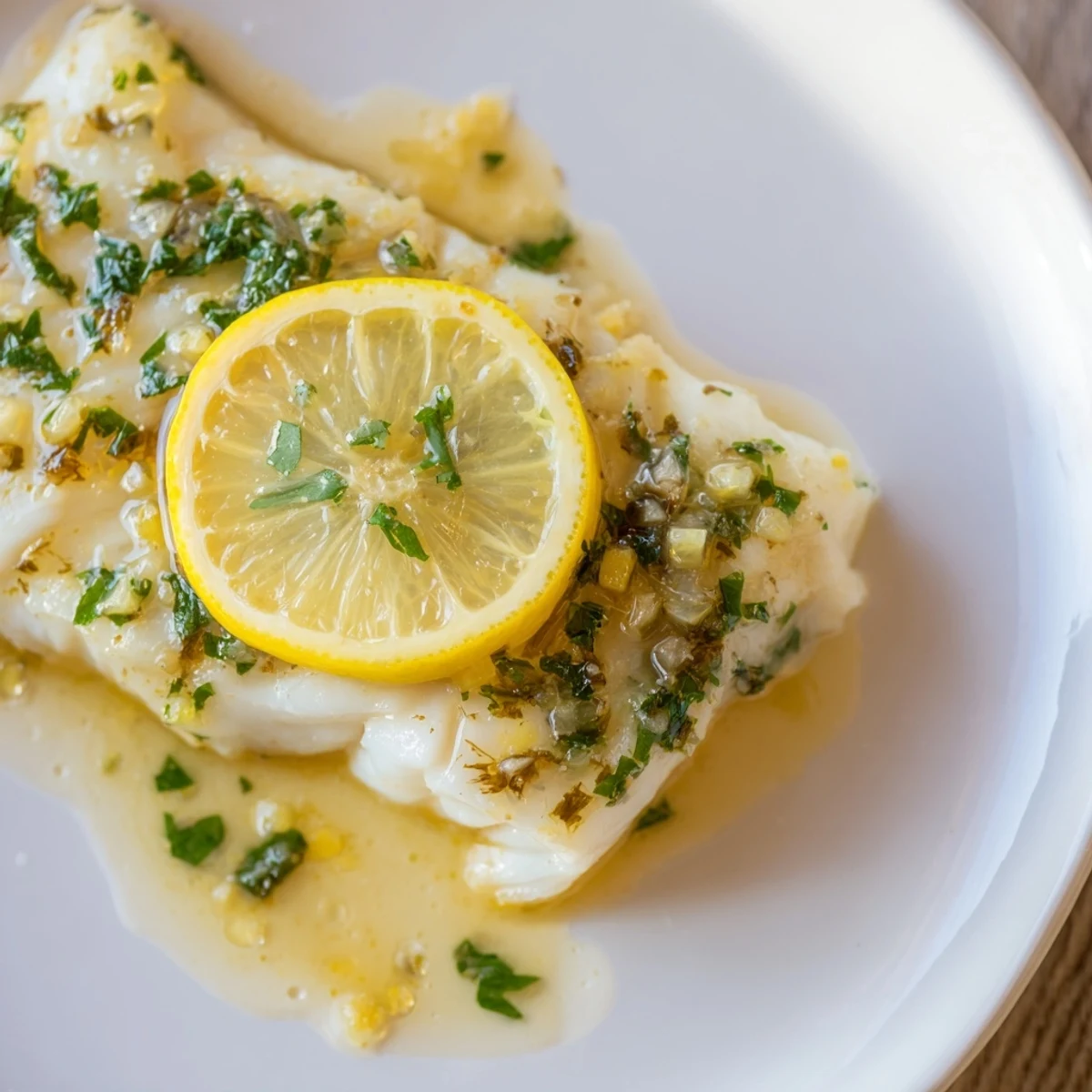
- Pull the dish from the oven and spoon some of the pan juices back over the fillets before plating. Serve immediately so the fish stays warm and the sauce stays glossy.
 Anheften
 There was an evening when a friend stopped by unexpectedly right before dinner, and instead of panicking, I just popped two more fillets in the oven and made a second batch of lemon butter. Watching them realize that this simple-looking dish was actually restaurant-quality made me appreciate how often the best meals are the quiet, unpretentious ones.
The Secret of Tender Fish
The magic of this recipe lives in the timing and the butter. Halibut is naturally delicate and forgiving compared to denser fish, but it still needs respect: bake too long and it becomes dry and flaky in a bad way. The moment it's opaque all the way through, it's done; another minute and you've missed the window. The lemon butter isn't just a sauce, it's actually insurance against dryness because the fat keeps the fish moist as it cooks.
Serving and Pairing Ideas
I usually serve this with something simple on the side so the halibut stays the star of the show. Steamed green vegetables pick up the lemon flavor, or you could do roasted potatoes to soak up every drop of that sauce. Some nights I add a simple arugula salad dressed with just olive oil and a squeeze of lemon, which echoes the bright flavor without repeating it.
Making It Your Own
Once you've made this recipe once, you'll understand the framework well enough to improvise. I've added capers to the sauce on nights when I wanted something a bit briny and salty, or a pinch of paprika for color and a whisper of smokiness. The beauty of this dish is how it welcomes small additions without becoming complicated.
- Try adding a pinch of paprika or red pepper flakes to the sauce for depth.
- Capers or chopped Kalamata olives stirred into the butter create a briny, savory twist.
- Substitute the parsley with fresh dill if you have it, which pairs beautifully with fish.
 Anheften
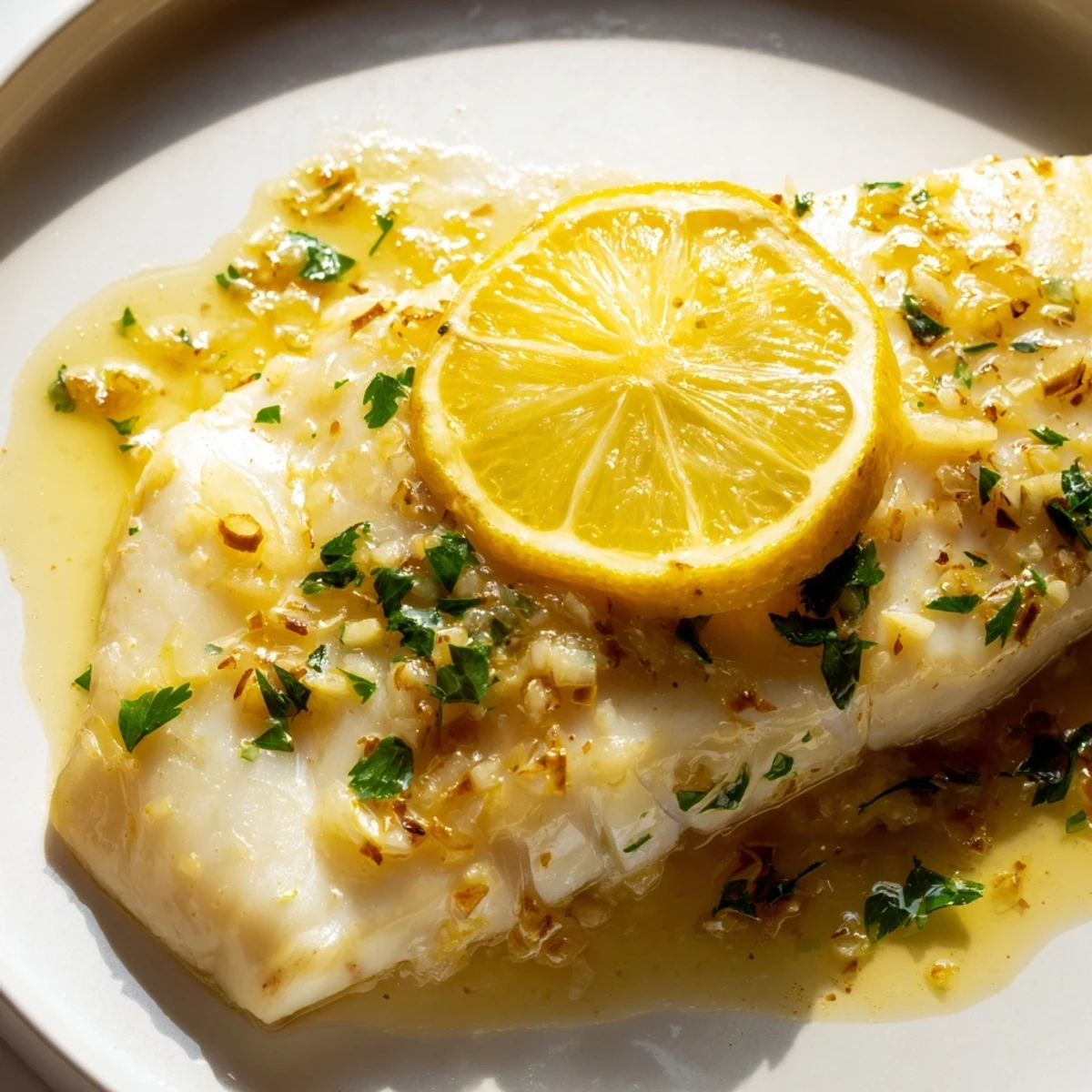
 This recipe reminds me that sometimes the most impressive meals are the ones that require the least fuss. Halibut baked in lemon butter is proof that good ingredients and honest cooking can create something memorable.
Fragen & Antworten zum Rezept
- → Wie lange sollte Halibut gebacken werden?
-
Halibut wird typischerweise 15–20 Minuten bei 200°C gebacken, bis das Fleisch undurchsichtig ist und leicht mit einer Gabel zerfällt.
- → Kann ich anderes Fischfilet verwenden?
-
Ja, festes weißes Fischfilet wie Kabeljau oder Schellfisch kann diese Zubereitung gut ersetzen.
- → Wie mache ich die Zitronenbuttersauce besonders aromatisch?
-
Die Sauce wird durch frischen Zitronensaft, Zitronenzesten, Knoblauch und gehackte Petersilie sehr frisch und fein im Geschmack.
- → Welche Beilagen passen gut dazu?
-
Gekochtes Gemüse, Reis oder geröstete Kartoffeln ergänzen diese Fischspeise ideal und sorgen für eine ausgewogene Mahlzeit.
- → Wie verhindere ich, dass der Fisch trocken wird?
-
Fischfilets mit Olivenöl bestreichen und nicht zu lange backen, so bleiben sie zart und saftig.